
The first appearance of the star seems to mark the exact time of Jesus’ birth – at least King Herod interpreted it this way: Matt 2:7 “Then Herod called the Magi secretly and found out from them the exact time the star had appeared.” This implies that the Messiah – Jesus was born on theContinue reading “#7 Was Jesus Born at Passover?”
Author Archives: clarevmerry
#6 Comets as Signs

From ancient times comets seen as bright stars in the sky were taken as signs of momentous happenings on Earth – portents of changes of power in government. The Star of Bethlehem was not a customary event, but an unexpected appearance indicating that it had special significance. The Chinese called these stars ‘broom stars’ dueContinue reading “#6 Comets as Signs”
#5 Three Indications that the Star of Bethlehem was a Comet
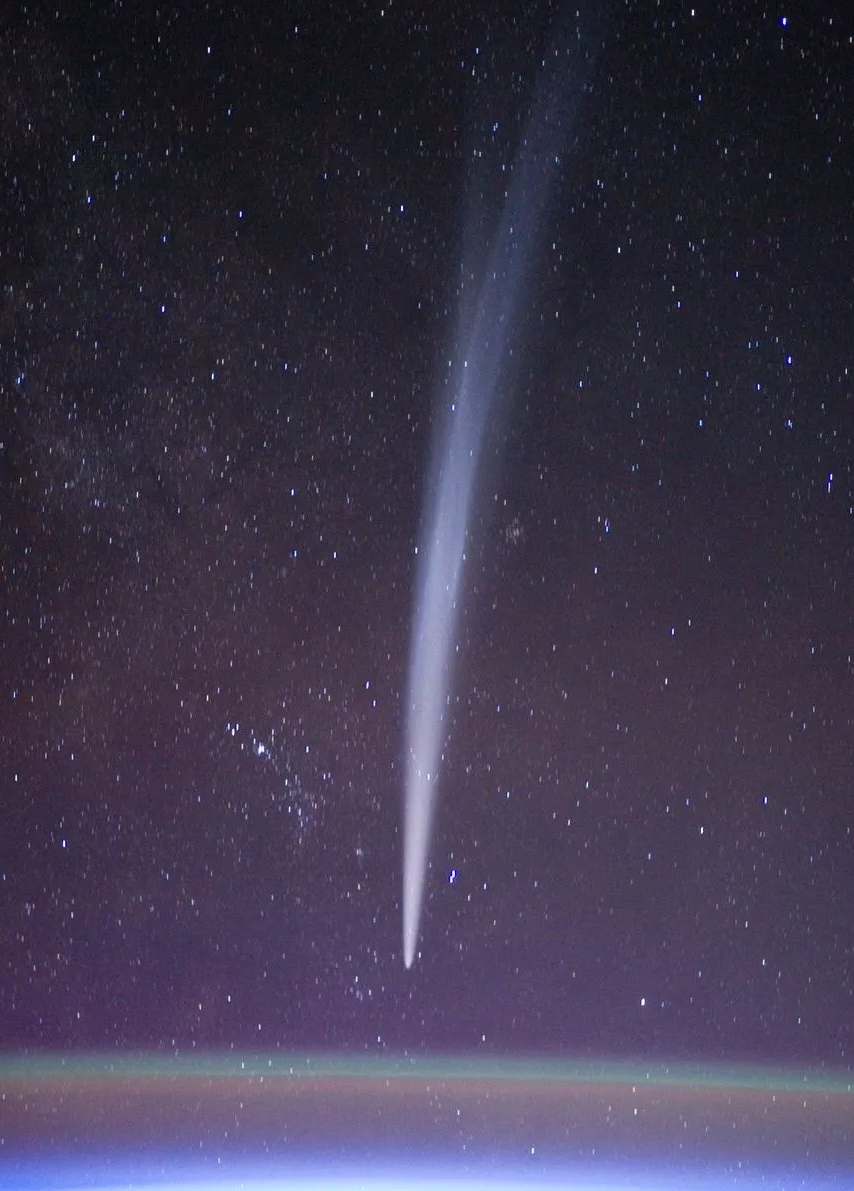
The Star of Bethlehem behaved like a comet in three particular ways. The first indication of it being a comet is its unexpected appearance Comets are actually giant snowballs made of water ice covered with tar. They orbit the Sun in highly elliptical orbits that swing out into the outer Solar System and back aroundContinue reading “#5 Three Indications that the Star of Bethlehem was a Comet”
#4 A Comet of 5 BC?

The article, ‘The Star of Bethlehem’ in Science and Christian Belief written by Colin Humphreys was a great find. It supplies most of the facts upon which this article is based. He recommends that rather than thinking that the Bible is untrue, as many people think today, or surmising that the Biblical authors were using literary devicesContinue reading “#4 A Comet of 5 BC?”
#3 When Was Jesus Born?

At this point we need to discuss when Jesus was born to see if any comet appeared coinciding with this date. It is actually certain that Jesus was not born in 1 AD, but several years before this date. Matt 2:13-20 tells how, after the Magi left, Joseph had a dream in which an angelContinue reading “#3 When Was Jesus Born?”
#2 Visit of the Magi in the Gospel of Matthew

Second chapter of the Gospel of Matthew “After Jesus was born in Bethlehem in Judea, during the reign of King Herod, Magi from the east came to Jerusalem and asked, ‘Where is the one who has been born King of the Jews? We saw his star when it rose and have come to worship him.’”Continue reading “#2 Visit of the Magi in the Gospel of Matthew”
#1 Was the Star of Bethlehem a Comet?

At Christmas this year I decided to entertain the local Association of Christian Writers group at their Christmassy mince pie do with a piece on the Three Wise Men. Hence, I did some research on the origins of the three wise men coming from Persia and found they were priests and astronomers. I started toContinue reading “#1 Was the Star of Bethlehem a Comet?”
#27 Writings of Saints and Theologians of the Church
There are many writings by known writers in the church. Many of these writers were bishops. Eusebius bishop of Caesarea (260-339 AD) collected up what was known of the lives of early martyrs and recorded their stories. He also wrote the history of the church in a text entitled Ecclesiastical History. Eusebius influenced church theology with hisContinue reading “#27 Writings of Saints and Theologians of the Church”
#26 Assessment of Pseudepigrapha Writings

Having just gone to a Bible study group which just read the historical books of the Old Testament as they are written, and now looked at the texts of non-canonical books, I can say that Bible books and non-canonical books are completely different. There are clear and obvious reasons why the non-canonical books were notContinue reading “#26 Assessment of Pseudepigrapha Writings”
#25 Forerunners to Mystery Plays

The Emperor Constantine converted the Roman Empire to Christianity in 312 and consolidated it with the First Council of Nicaea in 325 in which the Nicene Creed was drafted. However, as the temples of gods went out along with their mythologies, a certain degree of Christian shrines came in with their heros and their miracleContinue reading “#25 Forerunners to Mystery Plays”
 Merry and True